Seed oils: what the evidence actually says
The case against seed oils has gotten huge online. The case in the literature is much more boring.
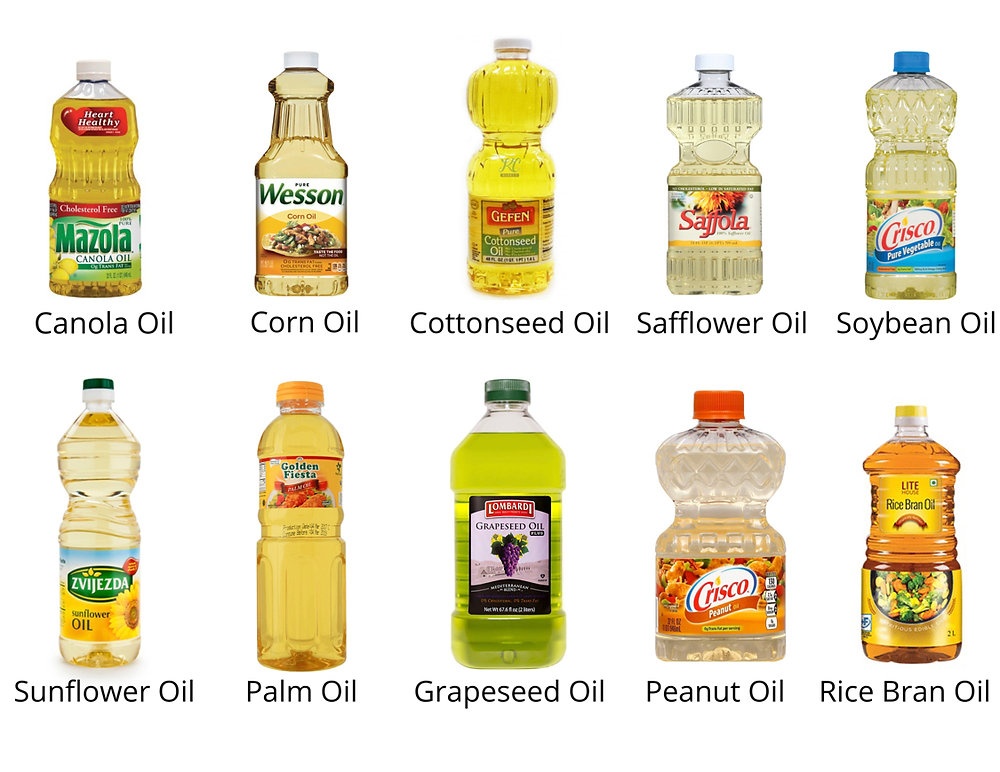
I’ve written before about bad ingredients in food, and the topic I get the most questions about is always seed oils. The online discourse has convinced a lot of people that soybean, canola, corn, and sunflower oils are basically poison — inflammatory, pro-disease, something to eliminate entirely. The actual literature is much more boring than that. Here’s my honest read on it, with the caveat that I’m not a nutrition researcher, I’m someone who reads the papers.
The core claim
The anti-seed-oil argument goes roughly: industrial seed oils are high in linoleic acid (an omega-6 polyunsaturated fatty acid), the ratio of omega-6 to omega-3 in modern diets is way higher than it was historically, and high omega-6 intake drives inflammation, which drives chronic disease. Therefore, reducing or eliminating seed oils improves health outcomes.
Each step of that chain has some truth to it and some exaggeration, and the step where it falls apart is different than people think.
What the evidence actually shows
Linoleic acid and inflammation. The in-vitro and mechanistic evidence for linoleic acid being pro-inflammatory looks clean — it’s a precursor to arachidonic acid, which is upstream of inflammatory eicosanoids. But when you measure actual inflammatory markers in humans who eat more or less linoleic acid, the effect is small and often nonexistent. A 2017 systematic review in Nutrients found no significant effect of dietary linoleic acid on inflammatory markers across 15 RCTs. The mechanism exists on paper; the measurable downstream effect in actual humans is largely absent.
Omega-6 to omega-3 ratio. The historical ratio argument is shakier than it sounds. Yes, modern diets have more omega-6 than pre-industrial diets. But the health evidence says what matters is absolute omega-3 intake, not the ratio. You can’t fix a low omega-3 intake by removing omega-6; you have to actually eat more omega-3. The ratio framing confuses the issue.
Cardiovascular outcomes. This is where the literature is actually strong, and it’s the opposite of the online narrative. Large cohort studies and several RCTs show that replacing saturated fat with polyunsaturated fat (i.e., swapping butter or tallow for soybean or canola oil) reduces cardiovascular events. The Cochrane review on this has been updated several times and keeps landing in the same place. This is not a fringe finding — it’s one of the more robust results in nutritional epidemiology.
The one legitimate concern. The process matters. Seed oils used for deep frying at restaurants get heated repeatedly to high temperatures, which oxidizes the fats and produces aldehydes that probably are bad for you. This is a meaningful concern and it’s also a concern about any oil used that way. It’s a restaurant-frying issue, not a “soybean oil in salad dressing” issue.
What I actually think
The seed oil discourse conflates several different claims that are each partly true and each wildly overstated in combination. The evidence supports:
- Don’t eat a lot of repeatedly-fried restaurant food. (True for many reasons, not just oils.)
- Get enough omega-3 from fatty fish or a supplement. (Good advice.)
- Cook with whatever oil you want and don’t overheat it.
The evidence does not support treating unheated soybean or canola oil as a serious health hazard, or believing that eliminating seed oils from an otherwise bad diet will meaningfully move your disease risk. The single biggest determinants of health from diet are total calorie balance, fiber intake, protein intake, and how much ultra-processed food you eat. Oils are a sideshow.
If you feel better avoiding seed oils, that’s fine — olive oil and butter and ghee are all reasonable alternatives. Just be honest about what’s actually driving the benefit. It’s usually that you started cooking at home, which means you stopped eating ultra-processed food, which is the thing the literature supports.
The most important health advice is still boring. That hasn’t changed and it’s not going to.